
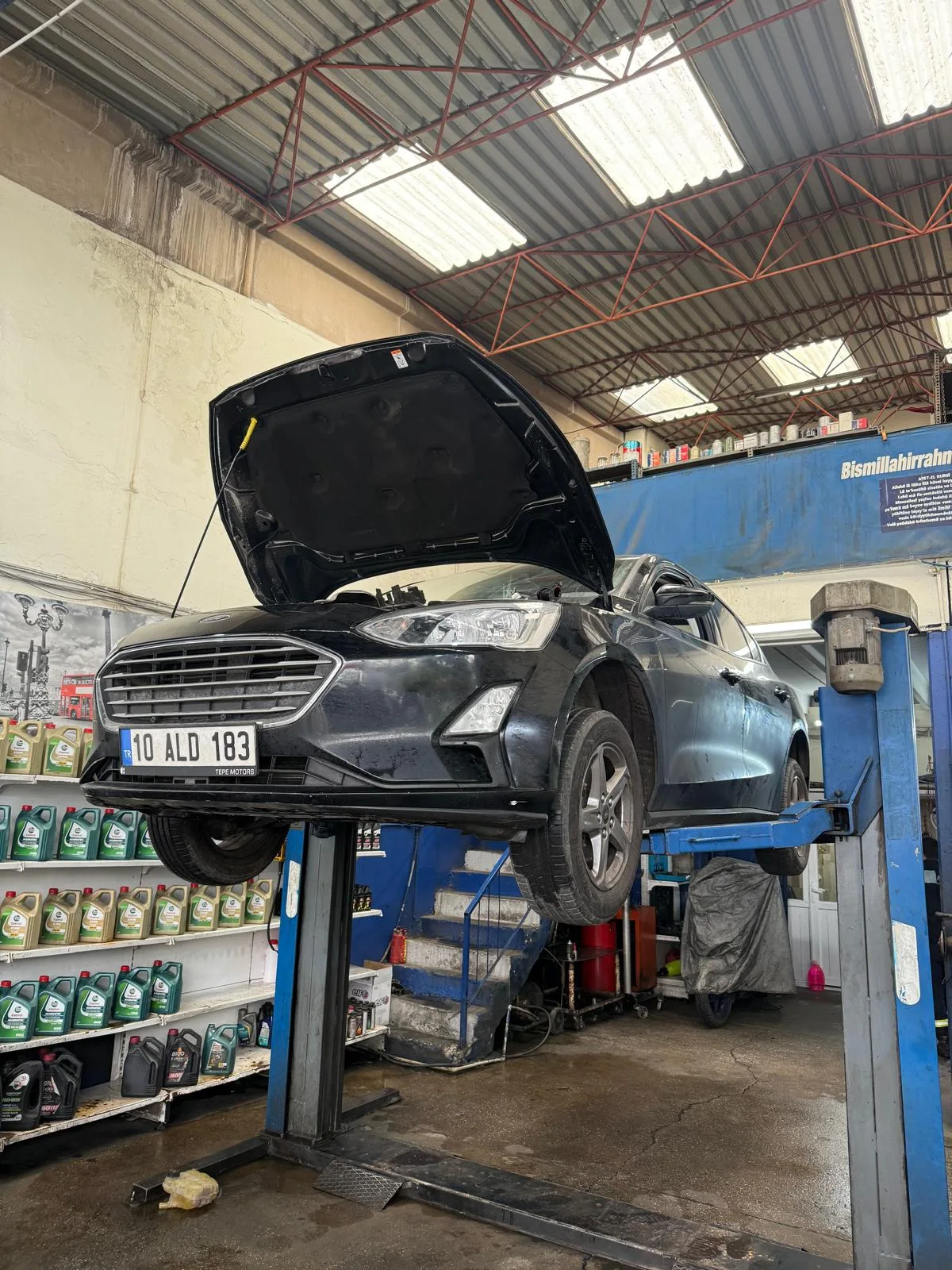
Brake pads wear at different rates depending on how a car is used. Vehicles that brake often in the city, carry loads or drive on hilly roads wear their pads sooner. Deciding by symptoms and measurement is better than relying on a fixed mileage.
5 signs your brake pads are worn
- Squealing: The wear indicator fitted to many pads makes a high-pitched noise when the pad gets thin.
- Metal grinding: When the pad is fully worn, metal rubs on the disc and damages it quickly.
- Steering wheel vibration: Vibration when braking usually comes from a warped or unevenly worn disc.
- Longer stopping distance: If the car does not stop as quickly as before, there may be a pad or hydraulic problem.
- Dashboard warning: On cars with sensors, the brake pad warning light comes on.
Discs and brake fluid should be checked too
When replacing pads, disc thickness should be measured and the disc replaced if it is below the limit. Brake fluid absorbs moisture over time and its boiling point drops; replacement every two years is usually recommended. We inspect your car on a lift and show you the measurements.
Brakes & Suspension
Brake pad, disc, fluid and ABS checks plus shock absorber, ball joint, control arm and front-end repair: the basis of safe driving.
Learn More